
Understanding the Collision Repair Process from Start to Finish

Car accidents, no matter how minor, can leave vehicles in need of substantial repairs. The collision repair process is crucial for restoring your vehicle to its pre-accident condition. Understanding this process can help vehicle owners navigate the often complicated terrain of repairs, ensuring that they are informed every step of the way.
The collision repair process can be broken down into several distinct stages. This blog will take you through each stage, providing insight into what occurs from the moment an accident happens until you’re back on the road, safe and sound.
Assessment of Damage
Once a collision occurs, the first step is assessing the damage.
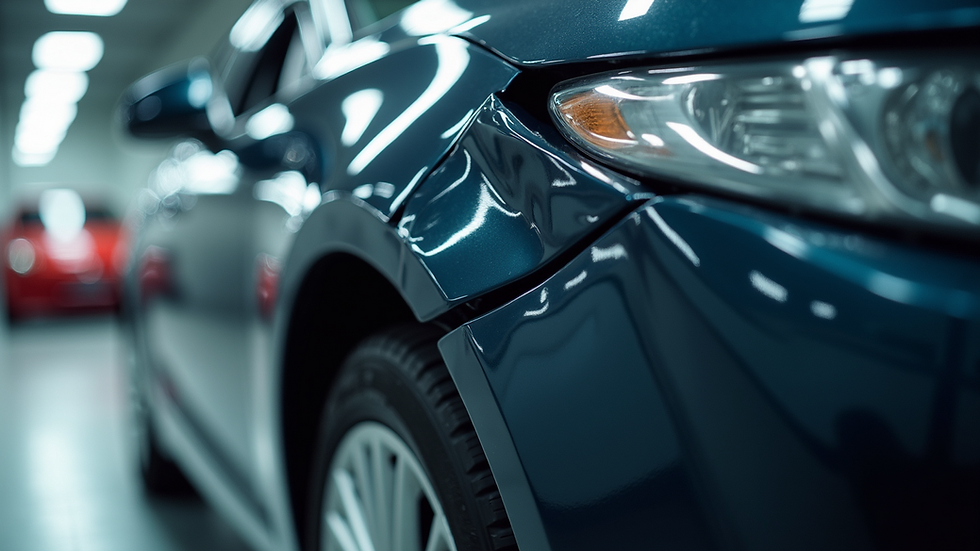
After an accident, the vehicle will need to be evaluated for both visible and hidden damages. Insurance adjusters or certified technicians will inspect the vehicle thoroughly to determine the extent of repairs needed.
This assessment will include looking at the body’s visible exterior, checking for frame damage, and inspecting essential systems such as brakes, suspension, and electrical components.
Identifying all damages is crucial as it directly impacts the repair timeline and costs associated with the work to be done.
Insurance Claims Process
After the damage assessment, the next step involves dealing with insurance claims.
Following the assessment, your insurance company will typically require documentation of the damages. This often includes photos and the detailed report generated by the technicians assessing the vehicle.
Once this information has been submitted, the insurance adjuster will either approve the claim or initiate further discussions. Understanding your policy's coverage and ensuring that you have communicated clearly with your insurer can streamline this stage significantly.
It’s also important to know that seeking clarification on what is covered in your policy can prevent unexpected expenses later in the process.
Repair Plan Creation
Upon insurance claim approval, a repair plan is prepared.
The repair shop will generate a detailed repair plan that outlines the necessary procedures and parts needed to restore the vehicle. This plan should provide a clear timeline for repairs, including parts ordering timelines and labor estimates.
The technicians will use specialized software to create a detailed estimate. This includes specific parts numbers, labor times, and any potential need for sublet services such as painting.
Open communication with the repair shop is essential during this stage. Regular updates can help ease concerns about the repair progress.
Parts Ordering
One of the more critical steps in the collision repair process is sourcing the right parts.
Typically, vehicle parts are categorized into two main segments: OEM (Original Equipment Manufacturer) parts and aftermarket parts. OEM parts are made by the vehicle's manufacturer, while aftermarket parts are produced by third parties.
The choice of parts can significantly affect repair quality and cost. While OEM parts may be pricier, they often ensure a perfect fit and maintain warranty coverage.
The time it takes to receive parts varies based on availability, supplier reliability, and whether the parts need to be ordered internationally, which can add delays.

Bodywork and Structural Repairs
Once parts have arrived, technicians will start addressing the bodywork.
Bodywork includes repair and replacement of any damaged panels, as well as alignment issues if the frame has been compromised in the accident. Modern repair facilities are equipped with advanced tools and techniques to ensure that repairs restore the vehicle's integrity according to manufacturer's specifications.
Technicians will utilize tools such as frame machines, which allow for the precise realignment of the vehicle frame. This step is critical for ensuring safety and drivability.
Regular updates from the repair shop during this phase can help keep owners informed on the progress and any additional findings that may arise during repairs.
Painting and Finishing
Painting is often regarded as one of the most time-consuming yet essential steps in the collision repair process.
After bodywork is completed, the involved panels need to be painted to match the rest of the vehicle. This step usually requires several layers, including a primer coat, base coat, and clear coat to ensure a glossy, durable finish.
Color matching can be an intricate process, as technicians must replicate the manufacturer’s paint code to ensure a seamless look.
Additionally, this phase often involves buffing and polishing to restore the vehicle’s luster, making it look as good as new.

Reassembly and Quality Inspection
Once painting is complete, the vehicle is reassembled and undergoes quality inspections.
This stage involves putting back all parts, both exterior components and interior systems that may have been removed during repairs. The technicians will ensure that everything fits perfectly and operates efficiently.
After reassembly, a thorough quality inspection is performed to double-check all repairs. This includes test driving the car to ensure proper functionality and examining the paintwork for any imperfections.
Quality control is a fundamental aspect of this process, and any issues detected will be rectified before final authorization for the vehicle's release.
Final Steps: Release and Follow-Up
The final steps involve the vehicle’s return to the owner and an opportunity for follow-up.
Once all repairs are thorough and satisfactory, the repair shop typically cleans the vehicle inside and out, preparing it for pickup. The owner will receive documentation outlining the repairs completed, parts used, and any warranties that may apply.
After receiving the vehicle, it's a good practice to document any noticeable issues and report them back to the repair shop promptly.
This feedback cycle ensures that the repair shop can address any lingering concerns and continue improving its services for future customers.
Conclusion
Understanding the collision repair process can significantly reduce stress for vehicle owners after an accident. From the initial damage assessment and navigating insurance claims to the intricate repairs and final inspection, each step plays a vital role in restoring your vehicle.
By knowing what to expect at each stage, you can make informed decisions and maintain clear communication with your repair shop, leading to a smoother and more efficient repair experience. Whether you end up needing a simple dent repair or a complete reconstruction of the vehicle’s structure, being equipped with knowledge will ensure that you are prepared for the journey ahead.
Navigating the collision repair process does not have to be overwhelming. With the insights provided, you can approach the repairs with confidence and clarity, knowing that your vehicle will soon be back on the road, looking and driving just as it should.

Great breakdown! The collision repair process really shows how much detail and coordination goes into restoring a vehicle from damage assessment and insurance coordination to bodywork, painting, and final quality checks. Very informative read!