

What "certified" actually means, and how it affects the results of your repairs
Every collision shop claims certification of some kind. Only a small fraction hold the two credentials that matter — an industry-wide training credential and manufacturer-specific certifications for the vehicles they repair.
The industry credential is I-CAR Gold Class. It applies to any make or model and covers the fundamentals: how modern vehicles are built, what materials they use, and how their safety systems are designed to perform in a collision. Roughly 10–20% of collision shops nationwide hold it.
The manufacturer credentials are OEM certifications — earned brand by brand. Each one requires the shop to invest in the specific tools, equipment, and training the manufacturer's engineers require to return the vehicle to factory specification. Some manufacturers publish audit results. Some send inspectors. All of them require ongoing recertification.
Together, the two credentials answer the same question from different angles: Does this shop have the training, tools, and access to repair my vehicle the way it was engineered?
V&V holds both. I-CAR Gold Class across every production role, and OEM certification across trusted brands. Learn the requirements for I-CAR certifications and what it takes to maintain.

I-CAR Gold Class — the industry's continuous-training standard
Gold Class is the highest training recognition in the collision repair industry. To earn it, a shop must maintain current I-CAR Platinum certification across all four production roles at the same time:
-
Estimator — trained in damage analysis, blueprinting, and manufacturer procedure lookup
-
Non-Structural Technician — trained in body panel replacement, adhesive bonding, and refinish preparation
-
Structural Technician — trained in frame, unibody, and high-strength steel repair
-
Refinish Technician — trained in paint application, color match, and finish specification
Every role must complete new coursework annually to maintain the certification. Miss a year, lose the badge. That's why Gold Class is a small club — only 10–20% of collision shops nationwide meet the standard, according to I-CAR's own reporting.
Why it matters for your repair: modern vehicles use materials and construction methods that didn't exist ten years ago. Boron steel, aluminum body panels, integrated safety systems, ADAS sensors distributed throughout the body. The wrong repair technique on a high-strength steel component can compromise the crash performance of the entire vehicle. Gold Class certification is the receipt that says our team is trained on the vehicle you drive today, not the vehicle we all learned to fix twenty years ago.
4
Generations Serving Houston Drivers
Our roots run deep, thanks to Houston car owners that trust us to restore their car and their life
55
Years of Experience
10,000s
Successful Restorations
We have repeat customers for a reason, we work on a lot of cars and we always aim to restore them to as close to precollision condition as possible

Sub-Heading
GM Certified Collision Repair
Find new roads, restored right

Sub-Heading
Volkswagen Certified Collision Repair
Because driving bigger means driving better
Sub-Heading
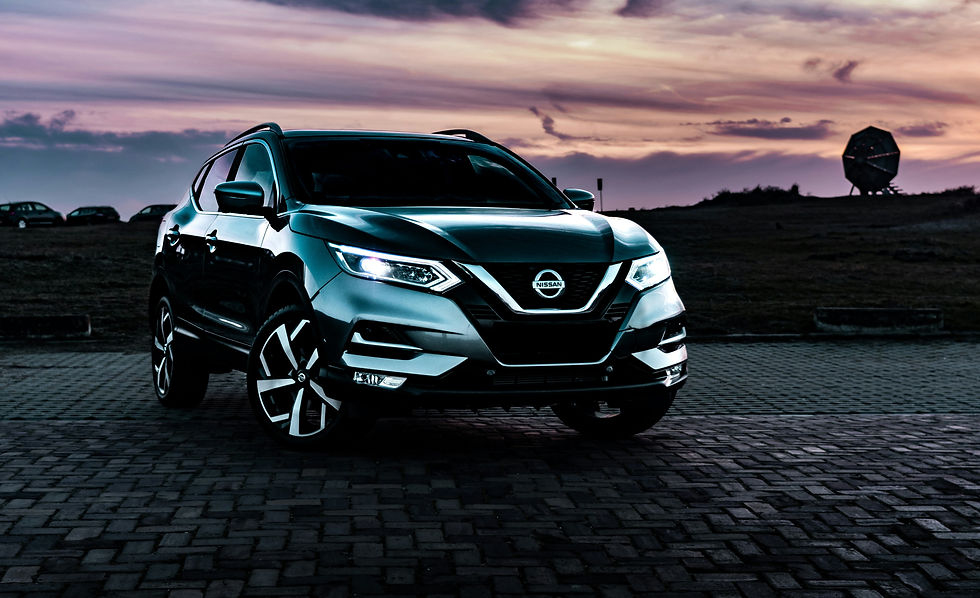
Nissan Certified Collision Repair
Excitement restored, ready for every drive

Sub-Heading
Infiniti Certified Collision Repair
Inspiring journeys continue, with every mile.

Sub-Heading
Honda Certified Collision Repair
Dreams move forward—continue the adventure
Sub-Heading
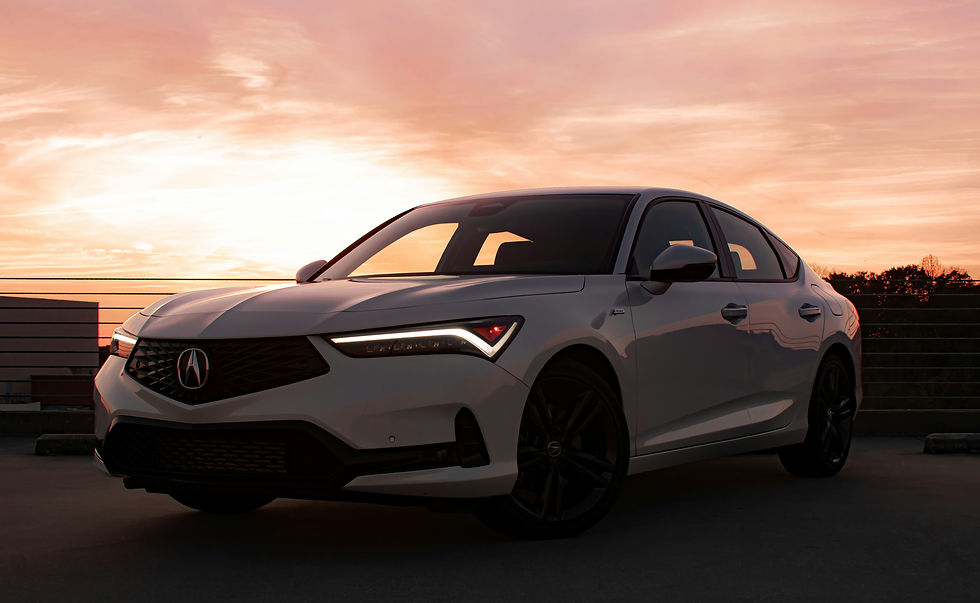
Acura Certified Collision Repair
Precision restored— performance at it's best

Sub-Heading
MOPAR Certified Collision Repair
Your power is back, go on be bold

Sub-Heading
Subaru Certified Collision Repair
Love that keeps your journey going strong
Sub-Heading
OEM Certified Across Trusted Brands
Each manufacturer sets its own certification standard. Some require dedicated equipment for aluminum-intensive vehicles. Some require secure access to their current repair procedures database. Some require model-specific training that has to be renewed with every generation change. All of them mean the same thing for you: your vehicle is being repaired by a shop the manufacturer trusts to do it right.
V&V holds current OEM certification from seven manufacturers.
Access to the current repair procedures
Every manufacturer publishes a procedures database — how to repair each panel, weld each seam, torque each fastener to spec. Access requires a subscription. Certification requires we use it. On a certified repair, we pull your vehicle's current procedures before we write the estimate — not from memory, not from a ten-year-old manual, but from the current database the manufacturer maintains today.
The right tools for the job
Certain manufacturers require specific welders, specific pulling equipment, specific ADAS calibration targets. An aluminum-certified shop has to maintain a dedicated aluminum bay to prevent cross-contamination with steel dust. A Nissan-certified shop uses different fixtures than a Honda-certified shop. The tools you can't see in the estimate are often the reason the repair holds up.
Documentation that protects your warranty
Some manufacturer warranties can be voided by a non-certified repair — especially on structural work, ADAS-equipped vehicles, and high-strength steel components. A certified repair comes with the documentation that proves the work was done to specification. If you sell or trade the vehicle, that documentation follows it.
What certified repair actually changes
Certifications aren't paperwork. They change what happens on the shop floor.
Sub-Heading
Aluminum Repair: A Specialty Most Shops Don't Have
Aluminum dust and steel dust react, a phenomenon called galvanic corrosion, and even trace cross-contamination can compromise the structural integrity and finish of an aluminum panel. Manufacturers that build aluminum-intensive vehicles know this, which is why aluminum certification requires something most shops never invest in: a physically separate bay, with its own tools, its own equipment, and its own technicians trained specifically in aluminum construction and repair techniques.
⚠ V&V maintains a dedicated aluminum repair bay, separated from our steel production floor, with the tools and training to work on aluminum body panels and structural components without contamination risk. (Still unverified per the earlier open item. Confirm this description is accurate before publishing.)
This matters most for aluminum-intensive vehicles, including several Infiniti and Honda and Acura models, but it matters more broadly in Houston specifically. Between hail season and daily collision volume, aluminum panel damage is common here.
Sub-Heading
Frequently Asked Questions
Some questions apply to every repair, some don't. Learn the essentials, get in touch to go over your repair details